
How a DOL Clinic Manages Federal Work Injuries in Baltimore
The alarm clock screams at 5:30 AM, and you’re already dreading the commute to your federal job in Baltimore. Your lower back – that stubborn reminder of last month’s warehouse incident – sends a sharp reminder that today’s going to be another long one. You pop two ibuprofen with your coffee, wondering if that nagging pain will ever actually go away… or if you’re just supposed to live with it now.
Sound familiar?
If you’re nodding along while reading this, you’re definitely not alone. Federal workers in Baltimore face a unique set of challenges when they get hurt on the job. Unlike your buddy who works at the local auto shop and can just waltz into any urgent care center, you’ve got to navigate a whole different system – one that feels like it was designed by people who’ve never actually been injured at work.
Here’s what usually happens: You get hurt. You fill out forms. More forms. Then you wait… and wait… while that injury either gets worse or becomes this constant background noise in your life. Meanwhile, you’re trying to figure out if that doctor your HR department recommended actually knows what they’re doing, or if they’re just going through the motions because they accept federal workers’ comp cases.
The thing is – and this might surprise you – getting quality care for a federal work injury doesn’t have to feel like solving a Rubik’s cube blindfolded. There’s actually a whole specialized approach to handling Department of Labor (DOL) cases, and when it’s done right? It changes everything.
That’s where DOL clinics come in. These aren’t your typical medical facilities that treat federal injury cases as an afterthought. They’re specifically designed around the unique needs of federal employees, with providers who actually understand the ins and outs of the system you’re dealing with.
Think of it this way: You wouldn’t ask your family doctor to perform brain surgery, right? Same principle applies here. Managing federal work injuries requires a specific skill set – knowing the paperwork, understanding the approval processes, working within the timelines that OWCP (Office of Workers’ Compensation Programs) requires. It’s almost like speaking a different language.
But here’s what really matters to you – the person dealing with the actual injury, the pain, the frustration of feeling like you’re stuck in bureaucratic quicksand. A properly managed DOL clinic doesn’t just treat your symptoms; they become your advocate in a system that can feel pretty impersonal.
I’ve seen too many federal workers who’ve been bounced around from provider to provider, getting treatment that barely scratches the surface of their problems. They’ll get a few physical therapy sessions here, some medication there, maybe an injection if they’re lucky. But nobody’s looking at the whole picture. Nobody’s asking, “What does this person actually need to get back to feeling human again?”
And let’s be honest about something else – federal work environments in Baltimore can be pretty demanding. Whether you’re working at Fort Meade, the Social Security Administration, or any of the other major federal facilities around here, you’re not exactly pushing papers in a cushy office all day. These jobs take a physical toll, and when you get injured, you need providers who understand that reality.
What you’re about to discover in this article might change how you think about your options. We’re going to walk through how a specialized DOL clinic actually operates – the behind-the-scenes stuff that makes the difference between getting shuffled through the system and getting the care you actually need.
You’ll learn why some providers seem to “get it” while others leave you feeling like just another case number. We’ll talk about what comprehensive injury management actually looks like (spoiler: it’s way more than just treating the immediate problem). And yes, we’ll get into the practical stuff too – like how to navigate the approval process without wanting to tear your hair out.
Because here’s the bottom line: You deserve better than just “managing” your injury. You deserve to get back to feeling like yourself again. And that starts with understanding exactly what quality DOL injury management looks like – and where to find it in Baltimore.
The Federal Employee Injury Maze – And Why It’s Different
Here’s the thing about federal work injuries that catches everyone off guard – they don’t play by the same rules as regular workplace accidents. You know how when you get hurt at most jobs, you deal with your state’s workers’ compensation system? Well, throw that playbook out the window.
Federal employees fall under something called the Federal Employees’ Compensation Act (FECA), and honestly? It’s like being in a completely different country with its own language, currency, and customs. The Office of Workers’ Compensation Programs (OWCP) runs this show, not your state’s system. Think of it like this: if regular workers’ comp is your neighborhood coffee shop where everyone knows your name, FECA is more like… well, a federal bureaucracy. Which comes with both benefits and headaches.
What Makes DOL Clinics Special (Spoiler: It’s Not Just the Paperwork)
DOL clinics aren’t your average medical facilities – they’re more like specialized translators in a foreign country. These providers have jumped through specific hoops to become authorized FECA providers, which means they can actually bill OWCP directly for your care. No middleman, no insurance company playing telephone tag.
But here’s where it gets interesting… and slightly confusing. Just because a clinic can treat federal employees doesn’t mean every doctor there speaks fluent FECA. It’s kind of like how not every person in a hospital knows how to work the MRI machine – specialization matters.
The Authorization Dance (Yes, It’s Actually Called That)
Now, this is where things get a bit counterintuitive. Unlike your regular doctor visits where you might just show up, federal injury care operates on what I like to call the “permission slip system” – except the permission slips are way more complicated than anything you dealt with in elementary school.
When you’re injured, you can initially seek emergency care pretty much anywhere. Makes sense, right? But for ongoing treatment, you need to stay within the FECA provider network. It’s like having a really exclusive club membership – great benefits once you’re in, but you’ve got to follow the rules.
The tricky part? Sometimes you’ll need something called “prior authorization” for certain treatments. Think of OWCP as a very cautious parent who wants to approve your plans before you go anywhere expensive. Physical therapy? Usually fine. Specialized surgery? They’re going to want to see some paperwork first.
Baltimore’s Federal Worker Reality Check
Baltimore’s got this interesting mix – tons of federal employees thanks to places like Social Security Administration, but also a healthcare landscape that… well, let’s just say not every provider has figured out the FECA system yet.
You’ve got federal workers scattered across the city and surrounding areas, from downtown office buildings to field locations, and when someone gets hurt, they often end up playing medical provider roulette. “Will this place take my case? Do they know what Form CA-1 is? Can they actually get paid for treating me?”
It’s honestly a bit of a mess, which is exactly why specialized DOL clinics matter so much.
The Documentation Mountain (And Why It Exists)
Here’s something that’ll either reassure you or give you a headache – FECA loves documentation. And I mean *loves* it. If regular workers’ comp documentation is like keeping a diary, FECA documentation is like… well, writing a novel. With footnotes. And citations.
But there’s actually a method to this madness. All that paperwork creates a paper trail that protects both you and the system. When everything’s properly documented, claims move faster, treatments get approved more easily, and everyone knows what’s happening.
The challenge? Most healthcare providers don’t have the bandwidth to become FECA documentation experts on top of everything else they’re managing. It’s like asking your regular mechanic to also be a specialist in vintage Italian sports cars – technically possible, but probably not their strongest skill.
Where the Rubber Meets the Road
So when a federal employee in Baltimore gets hurt, they’re not just dealing with an injury – they’re navigating a specialized system that operates by different rules, requires different forms, and works with different timelines.
The smart move? Finding providers who’ve already figured this stuff out, who know that Form CA-16 isn’t just random letters and numbers, and who understand that “federal employee” means something very specific in the healthcare world.
Because honestly, when you’re already dealing with an injury, the last thing you need is a crash course in federal bureaucracy.
What to Expect During Your First DOL Visit
Walking into a DOL clinic can feel intimidating – especially when you’re already dealing with pain and paperwork stress. Here’s what actually happens: you’ll spend about 45 minutes to an hour during that initial visit, and honestly? Most of it won’t be on the examination table.
The intake process is thorough (some might say exhaustingly so). You’ll review your injury timeline multiple times with different people – the scheduler, the nurse, and then the provider. Don’t get frustrated by the repetition… it’s actually protecting you. Each person is catching details that might affect your treatment plan or documentation.
Pro tip: bring a typed timeline of your injury. Include the exact date, what you were doing, witnesses present, and when symptoms started. The clinic staff will love you for this – and it prevents important details from getting lost in translation.
The Documentation Game You Need to Win
Here’s something most people don’t realize: your DOL provider isn’t just treating you – they’re building a legal case for your care. Every note they write could end up scrutinized by federal reviewers months later.
This means being specific about your symptoms. Instead of saying “my back hurts,” try “sharp pain in my lower left back that shoots down my leg when I bend forward.” Instead of “I can’t lift things,” say “I can lift about 10 pounds before the pain becomes unbearable.”
Your provider will ask seemingly repetitive questions about how the injury affects your daily activities. Answer them thoroughly – this isn’t small talk. When they ask if you can drive, sleep, or climb stairs, they’re documenting functional limitations that directly impact your claim approval.
Navigating the Referral Maze
DOL clinics can’t just send you anywhere for additional care. They work within a specific network of approved providers, and getting referrals requires… patience. And paperwork. Lots of paperwork.
If you need an MRI or specialist consultation, don’t expect it to happen quickly. The approval process typically takes 1-2 weeks, sometimes longer for expensive procedures. Your provider has to justify every referral with detailed medical necessity documentation.
Here’s an insider secret: if your provider mentions they’re going to request additional testing, ask them to explain exactly what they’re looking for and why. This helps you understand the timeline and – more importantly – gives you language to use when OWCP inevitably calls to verify the necessity of your care.
Managing Medication Authorizations
Pain medication through DOL requires a delicate balance. Providers are extremely cautious about prescribing anything stronger than basic anti-inflammatories, and for good reason – federal oversight on controlled substances is intense.
If you’re currently taking prescription pain medication, bring the actual bottles (not just a list) to every appointment. Your provider needs to see dosages, prescribing doctors, and pharmacy information. Missing this detail can delay your treatment by weeks.
Don’t be surprised if your DOL provider wants to try conservative treatments first – physical therapy, injections, or alternative approaches before stronger medications. It’s not because they don’t believe your pain… it’s because they need to document that less aggressive treatments were attempted first.
The Physical Therapy Connection
Most work injuries involve some form of physical therapy, and DOL clinics usually have preferred PT practices they work with regularly. These aren’t random choices – they’re providers who understand federal workers’ comp requirements and know how to document progress properly.
When you start PT, communicate with both your therapist and your DOL provider about what’s working and what isn’t. PT notes become part of your medical record, and if you’re not improving after 6-8 weeks, that documentation becomes crucial for justifying additional interventions.
Building Your Support Network
Your DOL provider becomes your advocate in the federal system, but they can’t read minds. Keep them informed about any changes in your symptoms, new limitations you’re experiencing, or challenges you’re facing at work.
Schedule regular follow-ups even when you’re feeling better – maintaining that relationship ensures continuity of care and keeps your case active. Plus, work injuries have a sneaky way of developing complications months later, and having an established relationship with a DOL provider makes addressing new issues much smoother.
Remember: your provider wants you to get better and return to work safely. Work with them, be honest about your limitations, and don’t try to tough it out when you need help. The federal system is designed to support injured workers – but only when the documentation clearly shows what support you actually need.
When the System Feels Like It’s Working Against You
Let’s be honest – dealing with a federal work injury isn’t just about healing your body. It’s about navigating a maze of paperwork that seems designed by someone who clearly never had to fill it out themselves. You’re already dealing with pain, maybe can’t work the way you used to, and now you’ve got forms asking for information you don’t even understand.
The most frustrating part? That sinking feeling when you realize you might have missed a deadline or filled something out wrong. We see this all the time – people who are genuinely hurt but terrified they’ve somehow messed up their own case. Here’s the thing though… most “mistakes” aren’t actually fatal to your claim. DOL clinics know the system inside and out, and they’re really good at helping fix things that feel unfixable.
The Documentation Dance Nobody Teaches You
You know what nobody tells you about federal work injuries? The sheer volume of paper you’ll encounter. It’s like every conversation, every appointment, every treatment needs to be documented three different ways. And heaven forbid you lose track of a single form number.
The CA-1 for sudden injuries, the CA-2 for occupational diseases… then there’s the CA-16 for medical authorization, and don’t even get me started on the CA-17 for duty status reports. It’s alphabet soup, but with real consequences if you mess it up.
Here’s what actually helps: create a simple filing system from day one. Even a shoebox works – just label it “Work Injury Stuff” and throw everything in there chronologically. Date everything. I mean everything. That casual conversation with your supervisor about how your back’s been feeling? Write it down. The day you first noticed the pain getting worse? Note it somewhere.
DOL clinics usually provide a checklist of what documents you’ll need, but they can also help reconstruct missing pieces. They’ve got relationships with federal HR departments and know how to track down paperwork that seems to have vanished into thin air.
When Your Body Heals Faster Than the Bureaucracy
This one’s particularly maddening – you’re feeling better, ready to get back to work, but you’re stuck in administrative limbo. Or worse, you’re still in significant pain, but some desk reviewer who’s never met you thinks you should be fine by now.
The reality is that federal injury claims move at their own pace, and it’s rarely aligned with how you’re actually feeling. Sometimes you’ll get approved for treatments you no longer need. Other times, you’ll be denied care for ongoing issues that are clearly related to your injury.
DOL clinics excel here because they understand the timing game. They know when to push for expedited reviews and when to be patient. More importantly, they document everything in medical terms that federal reviewers actually understand. Your description of “my shoulder kills me when I reach for anything” becomes “patient demonstrates limited range of motion with reproducible pain at 90 degrees of abduction.”
The Return-to-Work Tightrope
Going back to work after a federal injury feels like walking a tightrope while juggling. Too much activity and you might re-injure yourself or get blamed for making things worse. Too little and suddenly everyone’s questioning whether you were really hurt in the first place.
The modified duty dance is especially tricky. Your supervisor might be genuinely trying to help, but they don’t always understand your medical restrictions. Meanwhile, you’re trying to prove you’re still valuable while not pushing beyond what your body can handle.
A good DOL clinic helps translate between the medical reality and workplace expectations. They’ll work with your treating physician to create clear, specific work restrictions that actually make sense for your job. Not vague stuff like “light duty only,” but concrete guidelines like “no lifting over 15 pounds, no overhead reaching, frequent position changes permitted.”
Fighting the Invisible Injury Battle
If your injury isn’t obvious – chronic pain, repetitive stress injuries, occupational diseases that develop over time – you’re fighting an uphill battle against skepticism. People can see a cast or crutches, but they can’t see nerve damage or the exhaustion that comes with chronic pain.
DOL clinics are invaluable here because they know how to document invisible injuries in ways that federal reviewers take seriously. They understand which diagnostic tests carry the most weight and how to present your case so it’s taken seriously from the start.
The key is consistent, objective documentation of your limitations and how they impact your daily life and work capacity. Not dramatic descriptions, but factual accounts of what you can and can’t do.
What to Expect During Your First Few Visits
Let’s be honest – walking into a DOL clinic can feel overwhelming when you’re already dealing with pain and paperwork stress. You’re probably wondering how long this whole process will take, and I get it. The uncertainty is almost worse than the injury sometimes.
Your first appointment will likely feel like part medical exam, part detective work. The doctor needs to understand not just what hurts, but how it happened, what your job demands look like, and how this injury is affecting your daily life. Don’t be surprised if they ask you to demonstrate certain movements or explain your work tasks in detail – they’re building a complete picture, not questioning your story.
Most patients spend about 45-60 minutes in that initial visit. Yeah, it’s longer than your typical doctor’s appointment, but there’s good reason for it. The clinic needs to document everything thoroughly for the Department of Labor, which means more questions, more forms, and more detail than you might expect.
The Reality of Recovery Timelines
Here’s where I need to give you the truth, not the sugar-coated version. Federal work injury claims move at their own pace – and that pace isn’t always fast. We’re talking weeks, sometimes months, not days.
Simple cases – maybe a straightforward back strain or minor repetitive stress injury – might see initial approval within 3-4 weeks. But if you’re dealing with something more complex, or if there’s any question about whether your injury is truly work-related… well, that timeline can stretch considerably.
The DOL clinic will typically want to see you every 2-3 weeks initially, depending on your treatment plan. Don’t expect miraculous improvements overnight. Your body needs time to heal, and the federal system needs time to process. I know that’s frustrating when bills are piling up and you just want to feel normal again.
Navigating the Treatment Authorization Process
This part trips up almost everyone, so don’t feel bad if it seems confusing. Before you can get certain treatments – physical therapy, specialist referrals, sometimes even specific medications – the clinic needs approval from the Department of Labor.
Think of it like getting pre-authorization from your regular insurance, except with more paperwork and longer wait times. A physical therapy referral might take 1-2 weeks to get approved. Specialist consultations? Often 3-4 weeks, sometimes longer if it’s a hard-to-get appointment with someone like an orthopedic surgeon.
The clinic staff will walk you through this process, but here’s a heads up: stay on top of your paperwork. Missing documents or incomplete forms can add weeks to your timeline, and nobody wants that.
Building Your Support Network
You’re going to need more than just medical care to get through this – you’ll need a team. Your DOL clinic should connect you with case management services, but don’t be afraid to ask questions about what’s available.
Most clinics work with vocational rehabilitation specialists who can help if you need job modifications or retraining. There are also claims representatives who can advocate for you with the Department of Labor when things get complicated (and they usually do get complicated at some point).
Actually, that reminds me – keep detailed records of everything. Every appointment, every phone call, every form you submit. You’d be amazed how often someone needs to reference something from months ago, and having your own records can save you headaches down the road.
Preparing for the Long Game
Look, I wish I could tell you this will be wrapped up in a few weeks with a neat little bow. But federal work injury cases are more like marathon than sprint. The good news? The system is designed to support you through the entire process, not just patch you up and send you on your way.
Your DOL clinic will monitor your progress closely and adjust treatment as needed. They’ll also help coordinate your return-to-work plan when you’re ready – whether that means going back to your original job with modifications, transitioning to different duties, or in some cases, preparing for a career change.
The most important thing right now is focusing on your recovery while letting the professionals handle the bureaucratic maze. Yes, it’s frustrating to wait for approvals and navigate red tape when you’re in pain. But remember – this system exists specifically to protect federal workers like you, and despite its flaws, it generally does deliver the care and support you need.
Just… maybe stock up on patience. You’re going to need it.
Look, dealing with a federal work injury isn’t something you should have to navigate alone – and the truth is, you don’t have to. When you’re sitting there at 2 AM, ice pack on your back, wondering if you filled out that CA-1 form correctly or whether your supervisor actually submitted it… that’s exactly when having the right medical team in your corner makes all the difference.
You Deserve Specialized Care
Here’s what I’ve learned after years in this field: federal employees face unique challenges that your regular doctor’s office just isn’t equipped to handle. The paperwork alone could fill a filing cabinet, and don’t even get me started on the back-and-forth with OWCP. It’s like trying to solve a puzzle where someone keeps changing the pieces.
But here’s the thing – when you work with a DOL clinic that really knows the federal system, it’s like having a translator who speaks fluent bureaucracy. They know which forms matter most, how to document everything properly, and perhaps most importantly… they understand that you’re not just a case number. You’re someone who got hurt doing a job that serves our community.
The Real Support You Need
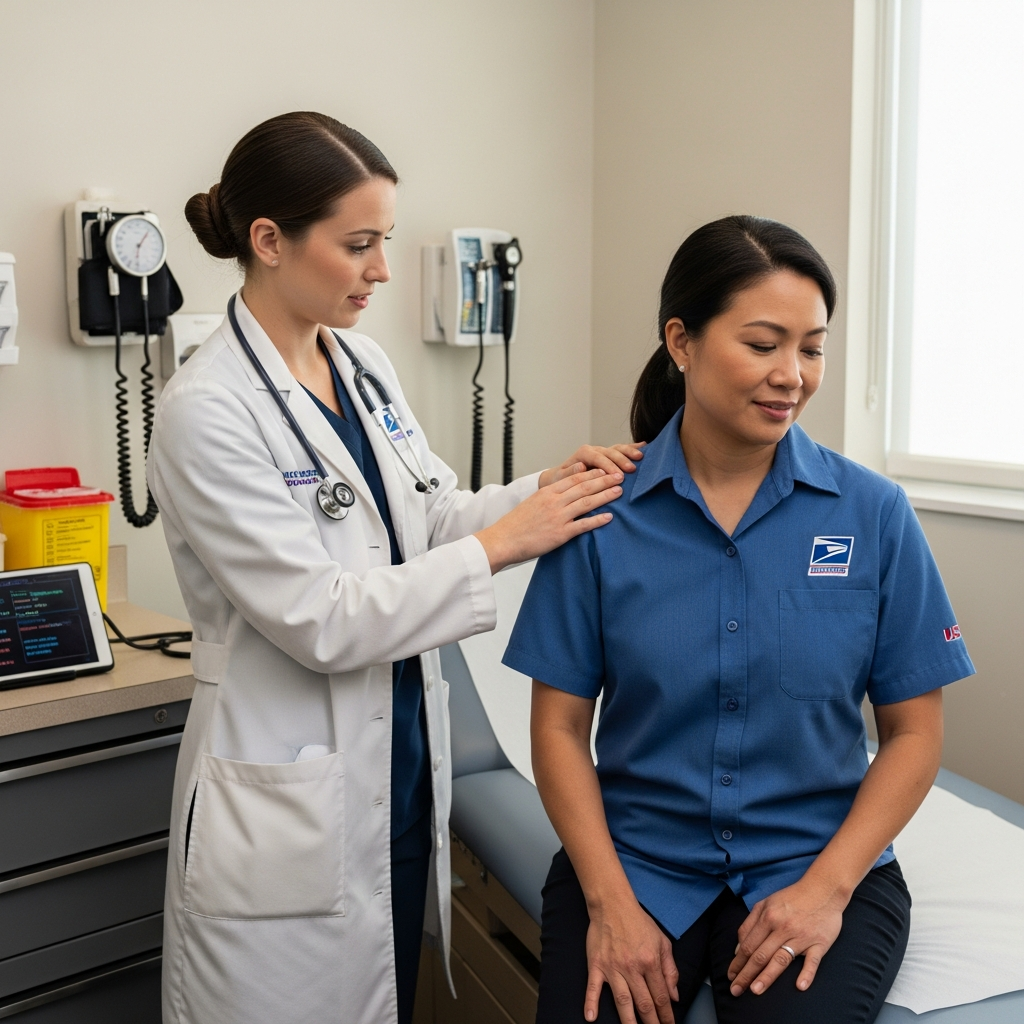
I think about Sarah, a postal worker who came to us last year with a shoulder injury that happened during her route. She’d been getting the runaround for months – partial treatments here, delayed approvals there, forms that seemed to multiply like rabbits. When she finally connected with our team, the relief in her voice was palpable. “Finally,” she said, “someone who gets it.”
That’s what proper DOL medical care should feel like. Not another hurdle to jump through, but actual support when you need it most.
The medical side matters enormously, of course – getting you the right treatment, the proper rehabilitation, the equipment you might need. But the administrative support? That’s often what makes the difference between a smooth recovery and months of frustration. When your clinic handles the documentation correctly from day one, when they know exactly how to communicate with OWCP, when they can anticipate potential issues before they become problems… well, that’s when healing can actually happen.
Moving Forward Together
Your federal work injury doesn’t define you, but how you handle it – and who you choose to help you through it – can make a world of difference in your recovery and your future. You’ve already served our community through your work. Now it’s time to let someone serve you.
If you’re dealing with a federal work injury and feeling overwhelmed by the process, or if you’re not getting the specialized attention your situation deserves, we’d love to talk with you. No pressure, no sales pitch – just a conversation about what you’re going through and how we might be able to help.
Give us a call or stop by when you’re ready. We’ll grab some coffee (the good stuff, not the break room variety) and figure out the best path forward together. Because that’s what this should be about – moving forward, getting better, and getting back to the life you want to live.