
Federal Workmans Comp Rules Every Federal Worker Should Know in Alexandria
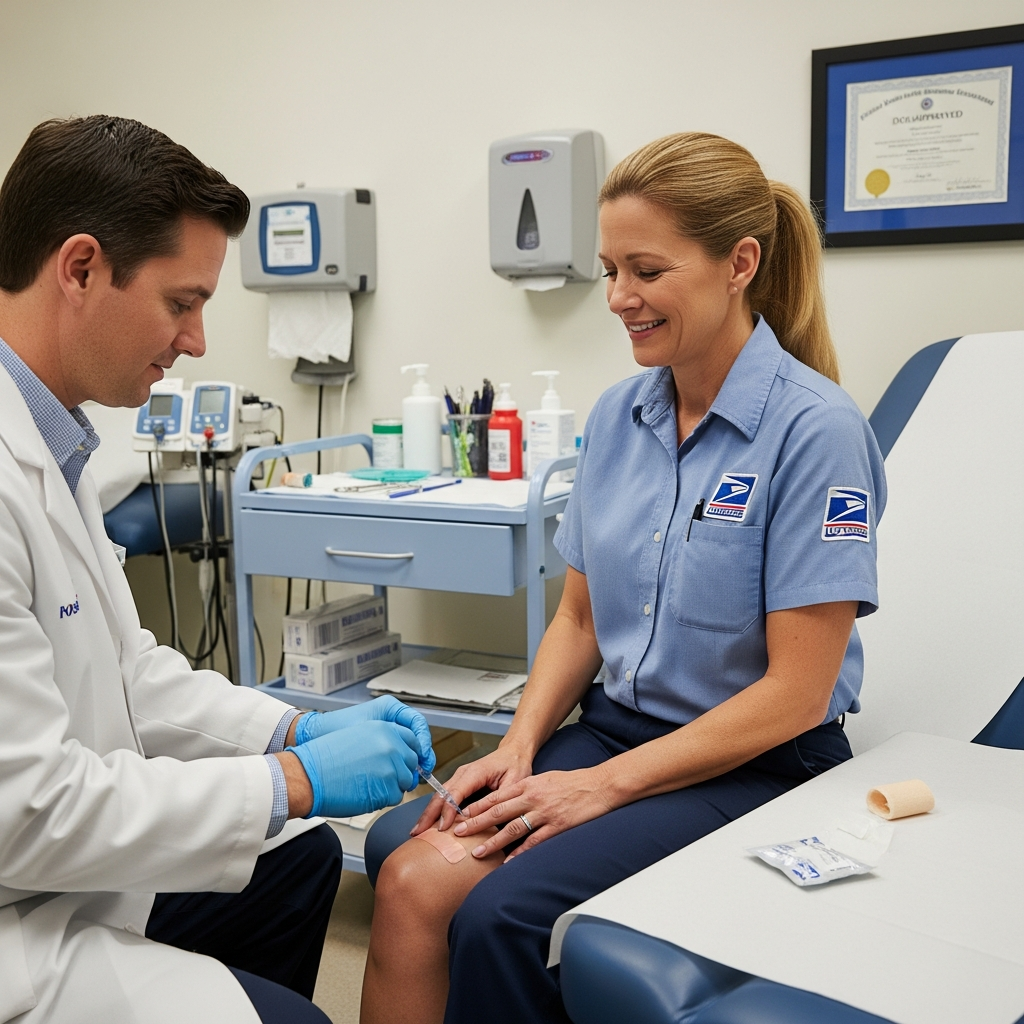
Picture this: You’re a federal employee working at one of the many agencies here in Alexandria – maybe you’re processing paperwork at the GSA building, or you’re on your feet all day at a VA facility – and one afternoon, something goes wrong. A box falls. A floor is slippery. You twist your knee reaching for something that’s just slightly out of reach. It’s not dramatic. There’s no ambulance. You walk it off, maybe ice it that night, tell yourself it’ll be fine.
But three days later? You can barely walk.
That moment – that ordinary, completely unremarkable workplace accident – is where most federal workers find themselves completely unprepared. Not because they weren’t careful. Not because they did anything wrong. But because nobody ever sat them down and explained what happens *next*.
And honestly, that’s a problem that’s bigger than it sounds.
Why This Hits Different for Federal Employees
Here’s the thing most people don’t realize until they’re already in the middle of it: the federal workers’ compensation system is not the same as state workers’ comp. Not even close. If you’ve ever had a friend or family member deal with a workplace injury through a private employer, whatever they went through? Forget it. Different rules, different agency, different process entirely.
Federal employees are covered under the Federal Employees’ Compensation Act – FECA, if you want to sound like you know what you’re talking about – and it’s administered by the Office of Workers’ Compensation Programs, or OWCP. These aren’t just different names for the same thing. The timelines are different. The forms are different. The way you report, document, and follow up on a claim… all different. And if you miss a step – even an innocent mistake made while you’re dealing with pain and stress and trying to keep up with your actual job responsibilities – it can affect your benefits in ways that are genuinely difficult to undo.
Alexandria has a significant federal workforce. We’re talking tens of thousands of people working for agencies like the Department of Defense, the Transportation Security Administration, the Patent and Trademark Office, and dozens more. Which means there are tens of thousands of people who could, on any given Tuesday, find themselves navigating a system they’ve never had to think about before.
The Confusion Is Real – And It’s Not Your Fault
Look, workers’ comp paperwork isn’t exactly light reading. The CA-1, the CA-2, the CA-7 – these forms exist, and you will need to know the difference between them. Deadlines that seem technical and arbitrary actually carry real consequences. There are rules about which doctors you can see, how continuation of pay works versus compensation pay, and what happens if your claim gets denied.
And here’s where it gets particularly frustrating: a lot of federal employees don’t find out about these rules until they’ve already made a misstep. They waited too long to report. They saw the wrong provider. They didn’t follow up on a disputed claim because they didn’t know disputing was even an option. These aren’t failures – they’re completely understandable responses to a confusing system during a stressful time.
That’s exactly why understanding the basics *before* something happens is so valuable. Think of it like knowing where your fire extinguisher is before something’s actually on fire.
What You’re Actually Going to Learn Here
This article is going to walk you through the essential federal workers’ comp rules that every Alexandria federal employee should have at least a working knowledge of. We’re talking about the critical reporting deadlines you absolutely cannot miss, how medical treatment works under FECA and which providers you can access, what continuation of pay means and how it’s different from disability compensation, what to do if your claim gets challenged, and where to turn when the process feels overwhelming.
We’re not going to overwhelm you with legal jargon. But we’re also not going to oversimplify things to the point where the information isn’t actually useful. You deserve the real picture.
Because whether you’ve worked for the federal government for twenty years or twenty months, this affects you. Your coworkers. Your family who depends on your income. The system exists to protect you – but only if you know how to use it.
Let’s make sure you do.
How Federal Workers’ Comp Actually Works (It’s Not What Most People Expect)
Here’s the thing most federal employees discover too late – the workers’ comp system covering you is completely separate from the state-based systems your neighbors and friends deal with. If your spouse works for a private company in Alexandria and gets hurt on the job, they’re filing through Virginia’s workers’ compensation program. You? You’re operating under an entirely different set of rules managed at the federal level. Same city, totally different universe.
The program that covers you is called the Federal Employees’ Compensation Act, or FECA. It’s been around since 1916 – which is honestly kind of impressive, and also explains why some of its processes feel like they were designed before the invention of email. The Office of Workers’ Compensation Programs, known as OWCP, sits inside the Department of Labor and essentially runs the whole show. Think of OWCP as the central hub that all your paperwork, claims, and decisions flow through.
The Two Types of Claims You Should Know About
FECA covers two distinct situations, and mixing them up causes a lot of unnecessary confusion.
The first is a traumatic injury – something that happened at a specific moment. You slipped on wet stairs, you lifted something heavy and felt your back give out, a door swung into you. There’s a clear “before” and “after.” These claims have their own timeline requirements and documentation needs.
The second is an occupational disease or illness – and this one is trickier. This covers conditions that developed gradually because of your work environment or duties. Repetitive stress injuries, hearing loss from years in a loud facility, respiratory problems from exposure to certain materials. The challenge here is proving the connection between your job and your condition, which – fair warning – can feel like you’re trying to prove something that everyone around you already knows is true, but the paperwork still demands.
Both are legitimate. Both are covered. They just follow slightly different paths.
The “Employing Agency” Piece (This Confuses Everyone)
One of the genuinely counterintuitive parts of FECA is the role your own agency plays. Unlike most insurance situations where you file a claim and then an outside company handles everything, your federal employing agency is actually an active participant in the process. They receive your initial report, they complete their own forms, and they essentially weigh in on what happened.
Think of it like this – imagine if when you got into a fender-bender, your employer had to file their own report alongside your insurance claim, and their account of events actually mattered to the outcome. Weird, right? That’s basically how this works. It’s not necessarily adversarial, but it does mean you can’t treat reporting your injury as a purely private matter between you and some claims adjuster somewhere.
What “Continuation of Pay” Means For You
If your injury results in time away from work, there’s a provision called Continuation of Pay, or COP. For traumatic injuries, this allows you to continue receiving your regular pay for up to 45 calendar days without having to use your sick or annual leave – while your claim is being processed. It’s one of the genuinely good parts of the FECA system.
The catch? COP only applies to traumatic injuries, not occupational diseases. And your agency can actually challenge your entitlement to it under certain circumstances. So while it’s a real benefit worth knowing about, it’s not quite the guaranteed safety net it sounds like at first.
The Whole “Zone of Employment” Concept
Workers’ comp – federal or otherwise – generally only covers injuries that happen while you’re actually working. Seems obvious. But the boundaries get blurry in interesting ways.
The “zone of employment” is the legal concept that defines where and when you’re considered to be “at work” for purposes of a claim. It’s not just your desk. It can extend to parking lots, hallways, even certain activities during breaks. Commuting, though, generally isn’t covered – a rule that trips up a lot of federal workers in the DC metro area who have long, complex commutes to and from Alexandria.
There are exceptions to that commuting exclusion, actually – certain travel situations, off-site work, things like that. But the general rule is worth knowing before you assume any injury that happens vaguely near your job is automatically covered.
Your Clock Starts the Moment You’re Hurt
Here’s something a lot of federal workers in Alexandria don’t realize until it’s too late – the FECA (Federal Employees’ Compensation Act) system runs on hard deadlines, and missing them can torpedo an otherwise solid claim. You have three years to file a claim for a traumatic injury, but the critical window most people miss is the 30-day requirement to report your injury to your supervisor in writing. Don’t just mention it in passing at the water cooler. Put it in an email. Create a paper trail before anything else.
If you’re dealing with an occupational disease – something that developed gradually, like repetitive stress injuries or conditions tied to toxic exposure – that three-year clock starts ticking from when you *knew or should have known* the condition was work-related. That’s a murkier line, which is actually why documenting symptoms early matters so much.
Form CA-1 vs. CA-2 – This Choice Matters More Than You Think
Most people treat these forms like they’re interchangeable. They’re not. CA-1 is for traumatic injuries – something that happened at a specific moment, a slip on the stairs at the Franconia-Springfield federal complex, a lifting accident in the mail room. CA-2 is for occupational diseases, the stuff that built up over time.
Filing the wrong form doesn’t automatically kill your claim, but it creates delays and confusion that can feel insurmountable when you’re already dealing with pain and paperwork. When in doubt, talk to your agency’s workers’ comp coordinator before you submit anything. They exist specifically to help with this. Actually, a lot of federal employees in the DC metro area don’t even know their agency has one – ask around your HR department.
Choose Your Doctor Carefully (You Have More Control Than You Know)
Here’s where a lot of injured federal workers give up power they didn’t have to give away. Under FECA, you get to choose your own physician – but that doctor must be licensed and qualified to treat your specific condition. You’re not stuck with whoever the agency points you toward.
That said, choose someone who has experience documenting workers’ comp cases, not just treating injuries. A brilliant orthopedic surgeon who writes vague, one-paragraph medical reports is less useful to your claim than a solid practitioner who knows how to connect your diagnosis directly to your work duties. Ask potential doctors directly: “Do you have experience with federal workers’ compensation cases?” Their answer will tell you a lot.
The Continuation of Pay Window Is a Lifeline – Don’t Squander It
If you have a traumatic injury, you’re entitled to 45 days of Continuation of Pay (COP) – this is your regular salary, not a reduced comp benefit, paid by your agency while your claim is under review. But here’s the catch: your agency can controvert your COP if they dispute the claim, and you have to actually invoke it properly.
File your CA-1 as soon as possible. The 45 days run from when you first can’t work due to the injury, not from when you file paperwork. If you delay filing and your agency claims you waited too long to assert COP rights… well, that’s a fight you could have avoided entirely.
Appealing a Denial – Yes, You Can Push Back
Getting a denial letter feels like a gut punch, especially when you know what happened to you. But a denial from the Office of Workers’ Compensation Programs (OWCP) isn’t the end of the road. You can request reconsideration within one year of the decision, or appeal to the Employees’ Compensation Appeals Board within 180 days.
The reconsideration route is often underused. If you have new medical evidence – a second opinion, updated test results, a more detailed physician statement – that’s your ammunition. Don’t just resubmit the same paperwork and hope for a different result.
One Last Thing About Working in Alexandria Specifically
Federal workers here are spread across GSA buildings, VA facilities, and various agency offices – and your specific duty station address matters when filing. Make sure every form lists your actual work location accurately. A mismatch between your HR records and your claim documentation is the kind of small administrative error that creates big, unnecessary headaches down the line.
Keep copies of everything. Seriously – everything. Your future self will thank you.
When the Paperwork Feels Like a Second Job
Let’s be real – the federal workers’ comp system wasn’t designed with simplicity in mind. The Office of Workers’ Compensation Programs (OWCP) processes thousands of claims, and their forms, deadlines, and documentation requirements can feel like navigating a foreign country without a map. The CA-1 and CA-2 forms alone trip up experienced federal employees who’ve been through this before.
Here’s what actually helps: don’t fill out these forms alone if you can avoid it. Your union rep, an attorney who specializes in federal employment, or even a seasoned coworker who’s been through the process can be worth their weight in gold. Alexandria has several federal employee advocacy resources – use them. And keep copies of everything. Every. Single. Thing. OWCP has been known to “lose” documents, and if you can’t prove you submitted something, it’s as if it never existed.
The Deadline Problem Nobody Warns You About
This is where people get burned the most, honestly. Federal workers’ comp has some strict timelines that feel almost designed to catch you off guard when you’re already dealing with an injury.
For traumatic injuries, you’ve got three years to file a claim – but you should report to your supervisor within 30 days to preserve your benefits. For occupational disease claims (think repetitive stress injuries, hearing loss, conditions that develop over time), it’s more complicated. The clock often starts ticking from when you knew – or reasonably should have known – that your condition was work-related. That phrase “reasonably should have known” has ended more than a few valid claims.
The honest solution? Report early, even if you’re not sure how serious the injury is. Even if you feel fine on Monday after an incident, report it. You can always not file a claim. You can’t always go back and report something after the fact.
Getting the Right Medical Care Under OWCP
Here’s something that surprises a lot of federal workers in Alexandria – you have the initial right to choose your own physician, but after that first choice, switching doctors requires OWCP approval. People get comfortable with a provider who turns out to be unfamiliar with OWCP billing and documentation requirements, and suddenly their care is a mess.
Choose a doctor who actually accepts OWCP cases and understands the specific documentation OWCP needs. This isn’t the same as accepting regular insurance. Physicians need to use specific billing codes, write reports in formats OWCP expects, and understand how to connect your treatment directly to your work injury in clinical language. If your current doctor is amazing but has never dealt with OWCP before… that’s a real problem worth thinking through carefully.
When Your Claim Gets Denied
It happens more than people expect, and it feels awful – especially when you know your injury is legitimate. OWCP denials aren’t necessarily the end, though. They’re often the beginning of a longer process.
You have the right to request reconsideration, and you can appeal to the Employees’ Compensation Appeals Board (ECAB). The catch? ECAB appeals need to happen within 180 days of the final OWCP decision. Miss that window and your options narrow significantly.
What actually works at this stage is getting proper medical evidence – not just a doctor saying you’re hurt, but a physician providing a detailed medical opinion that connects your specific diagnosis to your specific work duties using medical reasoning. Lay evidence (your own written account, witness statements from coworkers) matters too, especially for conditions that developed gradually.
The Return-to-Work Pressure
A lot of federal employees in the D.C. metro area feel pressure – sometimes explicit, sometimes subtle – to return to work before they’re ready. Agencies have return-to-work programs and light duty offers, and while those aren’t inherently bad, accepting a job offer that exceeds your medical restrictions can jeopardize your ongoing benefits.
Before you accept any modified duty offer, make sure your treating physician has reviewed the actual job description. Not a verbal summary. The written description. Your doctor needs to formally confirm whether those duties fall within your restrictions – and that opinion needs to be documented.
You’re not being difficult by slowing this process down. You’re protecting yourself. And in a system this complicated, protecting yourself is basically a part-time job.
What Actually Happens After You File
Here’s the honest truth that nobody really prepares you for: federal workers’ comp moves slowly. Like, *really* slowly. If you’re imagining a quick resolution where everything gets sorted out in a few weeks and you’re back to normal life, I want to gently reset those expectations right now – not to discourage you, but because knowing what’s realistic actually helps you cope better with the waiting.
The Office of Workers’ Compensation Programs (OWCP) has a lot of cases on their desk. A lot. Initial decisions on a straightforward claim can take anywhere from 30 to 90 days, and that’s when things go smoothly. If your case involves any complexity – a disputed diagnosis, questions about whether your injury was work-related, a traumatic injury with ongoing treatment needs – you could be looking at significantly longer. Some federal workers in Alexandria wait several months before they see meaningful movement on their claim.
That’s not a failure. That’s just how the system works.
The First Few Months – What’s Normal
In those early weeks, you’ll mostly be doing a lot of… waiting. You might get requests for additional documentation. Your physician might need to submit more detailed medical reports. Your agency’s workers’ comp coordinator might reach out with questions. This back-and-forth is completely normal, even though it can feel frustrating when you’re dealing with pain or financial stress.
What you *should* expect during this period
– An acknowledgment that your claim was received – Possible requests for additional forms (CA-20 for ongoing disability, for instance) – Communication between OWCP and your employing agency – Your doctor submitting treatment plans for authorization
One thing that catches people off guard – medical treatment authorization happens separately from your overall claim acceptance. So even if OWCP is still reviewing your case, you can often get specific treatments authorized in the meantime. Don’t assume you have to wait for full claim approval before getting medical care moving.
Managing the Financial Gap
This is where things get real. There’s typically a three-day waiting period before wage loss compensation kicks in, and even then, continuation of pay (COP) – which covers your regular salary for up to 45 days after a traumatic injury – has its own rules and deadlines attached to it. Missing those COP deadlines is one of the most painful mistakes workers make, because you can’t really go back and recover that.
If your claim gets delayed or there are questions about your eligibility, that financial pressure becomes very real very fast. It’s worth having an honest conversation with yourself now about your financial cushion and whether you need to explore any bridging options. And yes, talking to a federal workers’ comp attorney or advocate earlier rather than later isn’t a sign that you’re being difficult – it’s just smart.
When to Follow Up (And How)
You’re allowed to check on your claim status. Actually, you should. OWCP has a portal called the Employees’ Compensation Operations & Management Portal (ECOMP) where you can track things, and your case manager’s contact information should be available to you.
Follow up if you haven’t heard anything in 30 days. Follow up if you get a document you don’t understand. Follow up if your medical situation changes significantly. The squeaky wheel thing is genuinely applicable here – not in an aggressive way, but staying engaged with your case matters.
Setting Realistic Goalposts
Rather than fixating on a final resolution date (which nobody can really give you anyway), try thinking in smaller milestones. First goalpost: claim acknowledgment. Second: initial decision on whether your claim is accepted. Third: treatment authorization flowing smoothly. Fourth: if you’re missing work, wage loss compensation being established.
Each of those is a win. Each one moves you forward.
For workers here in Alexandria, it’s also worth knowing that the Washington metro area has resources available – legal aid organizations, union representatives, and advocates who specifically understand the federal system. You don’t have to navigate this solo, and asking for help isn’t giving up. It’s honestly just practical.
The whole process can feel overwhelming, and some days it probably will. But most legitimate federal workers’ comp claims do eventually resolve. The workers who do best are usually the ones who filed correctly from the start, documented everything carefully, and stayed patiently persistent without letting the delays convince them to just drop it.
You’ve got this. Just don’t expect it to be fast.
If there’s one thing worth taking away from everything we’ve covered here, it’s this: you have rights, and those rights exist for a reason. Federal workers put in long hours doing demanding, often physically taxing work – and when something goes wrong on the job, the system is supposed to have your back. Understanding how it works isn’t just useful information to tuck away somewhere. It could genuinely change your outcome if you ever need to file a claim.
And honestly? A lot of federal employees in Alexandria never fully explore what they’re entitled to – not because they don’t care, but because the process feels overwhelming before you even start. The paperwork, the deadlines, the terminology… it’s a lot. You’re already dealing with an injury or illness, and now you’re supposed to become an expert in federal compensation law overnight. That’s not fair. It really isn’t.
The Difference Knowledge Makes
Here’s the thing about being informed ahead of time – it changes everything. When you know the reporting timelines, when you understand what documentation matters, when you’re not scrambling to figure out your options from a hospital bed or a couch where you’re recovering, you’re in a fundamentally stronger position. Not because you’ve “beaten the system” or found some loophole. Just because you showed up prepared.
Think of it like knowing where the emergency exits are before the fire starts. Nobody wants to need them. But if you do, you’ll be really glad you paid attention.
You Don’t Have to Figure This Out Alone
Federal workers’ compensation isn’t a simple process, and Alexandria has its own local nuances when it comes to navigating claims, medical providers, and agency-specific procedures. The rules are federal, yes – but the experience of going through this process is deeply personal, and deeply local.
That’s why connecting with people who know this territory matters. Whether it’s a workers’ comp attorney who specializes in federal cases, a claims advocate, or even just a knowledgeable colleague who’s been through it – don’t try to white-knuckle this alone. There are people who genuinely want to help you get what you’re owed.
Actually, that applies to your physical recovery too. Injuries and illnesses that happen on the job don’t always respond to a standard treatment plan. If you’ve been dealing with pain, fatigue, weight changes from reduced activity, or the kind of metabolic slowdown that can happen when your whole routine gets disrupted – those things deserve attention too, not just the initial injury.
We’re Here If You Need Us
If you’re a federal worker in Alexandria who’s been hurt, or you’re supporting someone who has been, and you’re not sure where to turn – reach out. Whether you have specific questions about next steps or you’re just trying to figure out where to start, a simple conversation can go a long way.
Nobody should feel lost navigating a system that’s meant to protect them. You worked hard. You deserve support that actually feels like support – clear, honest, and on your side.
So whenever you’re ready – whether that’s today or after you’ve had a little more time to process everything – we’re here. No pressure, no complicated intake process. Just real help from people who understand what you’re dealing with and genuinely want to see you come out the other side in good shape. You’ve got this. And you don’t have to go it alone.