
OWCP Doctors for Federal Occupational Injuries in Alexandria
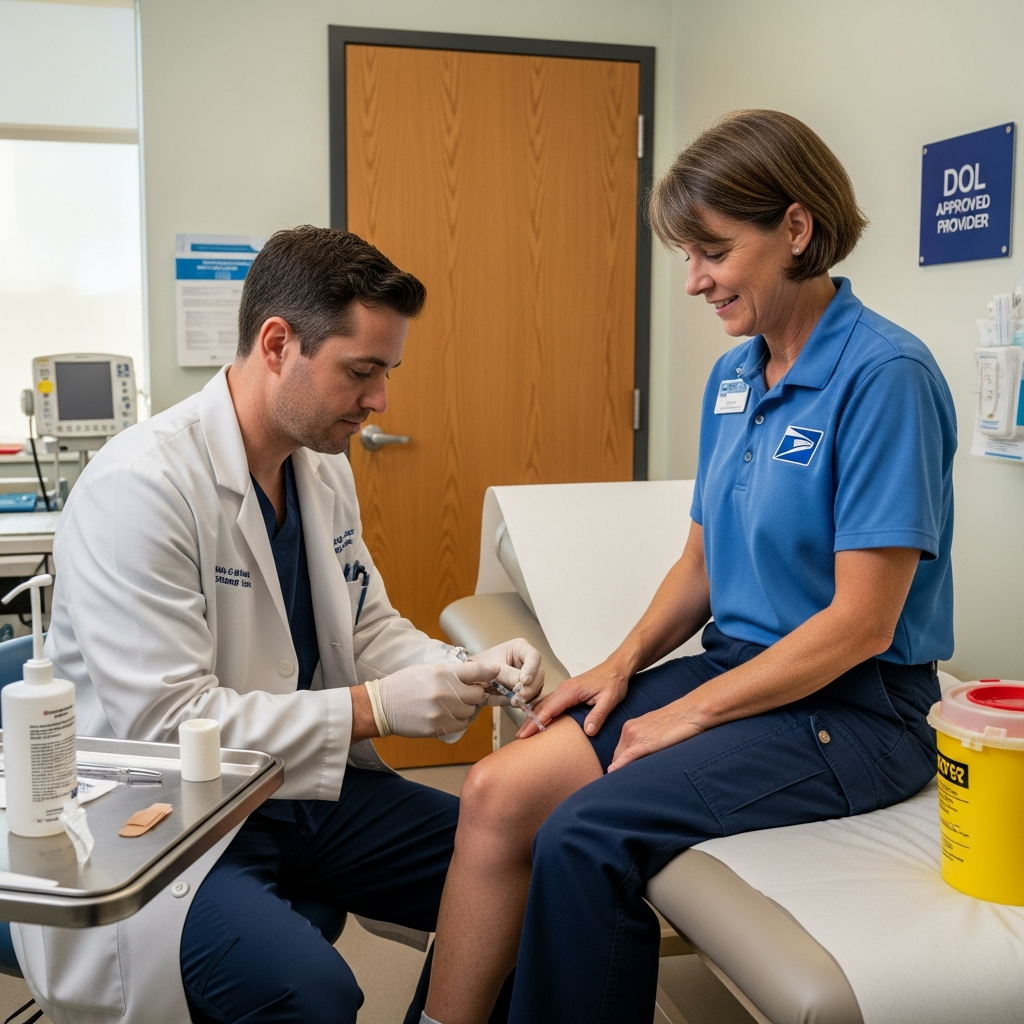
You’re sitting in your cubicle at the federal building, feeling that familiar ache in your lower back. You know – the one that started about six months ago when you lifted that heavy box of files the “wrong way.” Or maybe it’s your wrists that are screaming at you after another day of endless typing. The pain’s gotten worse lately, and you’re starting to wonder… is this just part of getting older, or could this actually be a work-related injury?
Here’s the thing that’ll probably sound familiar: you’ve been putting off doing anything about it. Because honestly? Dealing with workers’ compensation feels about as appealing as a root canal. You’ve heard the horror stories from coworkers – endless paperwork, skeptical doctors, months of bureaucratic runaround. Plus, there’s that nagging voice in your head wondering if anyone will even believe that your injury is “real” or work-related.
But what if I told you that navigating the Office of Workers’ Compensation Programs (OWCP) doesn’t have to be a nightmare? That there are doctors right here in Alexandria who actually understand the federal system, speak the OWCP language fluently, and – get this – genuinely want to help you get better?
I know, I know. It sounds too good to be true.
The reality is that federal employees face unique challenges when it comes to workplace injuries. You’re not dealing with regular workers’ comp like your friends in the private sector. OWCP has its own rules, its own forms, its own… let’s call them “personality quirks.” And finding a doctor who knows how to work within this system? That’s often where everything falls apart.
You might have already discovered this the hard way. Maybe you went to your regular doctor, who looked at you blankly when you mentioned OWCP and handed you a generic work note that got rejected faster than a poorly formatted federal budget proposal. Or perhaps you’ve been bounced between different providers, each one claiming they “handle workers’ comp” but clearly having no clue about the specific requirements for federal employees.
Here’s what’s really frustrating – and I see this all the time – you’re dealing with a legitimate injury that’s affecting your ability to work, maybe even your quality of life outside of work. But instead of focusing on getting better, you’re stuck in this administrative maze, wondering if you’ll ever get the treatment you need. Meanwhile, the injury isn’t getting any better… and neither is your stress level.
This is exactly why understanding your options for OWCP-approved doctors in Alexandria matters so much. Because when you find the right provider – one who knows the system inside and out – everything changes. Suddenly, you’re not explaining OWCP procedures to your doctor; they’re explaining your treatment options to you. The paperwork gets handled correctly the first time. Your claims move forward instead of getting stuck in bureaucratic quicksand.
And let’s be real about something else: you deserve proper medical care for your work-related injury. You’ve earned it through years of federal service, and it shouldn’t require a law degree and the patience of a saint to access it.
Throughout this guide, we’re going to walk through everything you need to know about finding and working with OWCP doctors in the Alexandria area. You’ll learn which providers have solid track records with federal workers’ compensation, what questions to ask before your first appointment (trust me, there are some important ones), and how to avoid the common pitfalls that can derail your case before it even gets started.
We’ll also talk about something equally important – what to expect during the process. Because while finding the right doctor is crucial, knowing what comes next can save you weeks of anxiety and confusion.
The bottom line? You shouldn’t have to choose between your health and navigating an impossible system. With the right information and the right medical team, you can focus on what really matters: getting the treatment you need and getting back to feeling like yourself again.
So let’s figure out how to make that happen, shall we?
What Makes OWCP Different From Regular Workers’ Comp
Here’s where things get a bit… well, complicated. And honestly? It confused me for the longest time too.
Most workers deal with state workers’ compensation when they get hurt on the job. Think of it like your local grocery store – familiar, straightforward, you know the drill. But federal employees? They’re shopping at a completely different store altogether. The Office of Workers’ Compensation Programs (OWCP) runs under the Federal Employees’ Compensation Act, which is basically a parallel universe to regular workers’ comp.
The federal system has its own rules, its own paperwork (oh, the paperwork…), and yes – its own approved doctors. It’s like having a membership to an exclusive club, except you probably didn’t want to join this particular club in the first place.
Why You Can’t Just See Any Doctor
This is where it gets counterintuitive, and honestly, a little frustrating for most people.
When you stub your toe at home, you can waltz into any urgent care or call your family doctor. Simple, right? But when that injury happens while you’re on federal duty – whether you’re sorting mail at the post office or working security at a federal building – suddenly your medical choices become… limited.
OWCP maintains a network of approved physicians. Think of it like your insurance company’s “in-network” providers, except the stakes are higher and the approval process is more rigid. These doctors have jumped through specific hoops, filed the right paperwork, and agreed to OWCP’s fee schedules and reporting requirements.
Can you see your regular doctor? Sometimes – but they’ll need OWCP approval first. And trust me, that approval process isn’t exactly lightning-fast.
The Alexandria Advantage (And Challenge)
Living in Alexandria puts you in an interesting spot. On one hand, you’re in the heart of the federal workforce universe – tons of federal employees, which means more OWCP-approved doctors than you’d find in, say, rural Montana.
But here’s the thing that catches people off guard: more options doesn’t always mean easier choices. Sometimes having twenty approved doctors feels more overwhelming than having three. Where do you even start?
The DC metro area also means these doctors see federal injury cases regularly. They know the paperwork dance, understand OWCP’s quirks, and won’t look at you like you’re speaking a foreign language when you mention forms CA-1 or CA-2. That experience… it’s worth its weight in gold when you’re dealing with a work injury.
Form CA-1 vs. CA-2: The Plot Twist Nobody Explains
Actually, let me back up for a second because this trips up almost everyone.
You’d think there would be one form for work injuries, right? Wrong. The federal government loves its forms, and they’ve got two main ones for occupational injuries.
CA-1 is for traumatic injuries – the “I slipped on wet floor” or “I lifted something heavy and felt my back pop” situations. These happen suddenly, at a specific moment you can pinpoint.
CA-2 covers occupational diseases or illnesses that develop over time. Think repetitive stress injuries, hearing loss from prolonged noise exposure, or respiratory issues from workplace chemicals. These sneaky health problems that creep up gradually.
Your doctor needs to understand which form applies to your situation because it affects everything from treatment approval to compensation. And yes, sometimes the line between the two gets blurry – which is exactly why having an experienced OWCP doctor matters.
The Treatment Authorization Dance
Here’s something that blindsided me when I first learned about federal workers’ comp: your doctor can’t just… treat you. Not without jumping through hoops first.
For most treatments beyond basic initial care, your OWCP-approved doctor needs to request authorization. It’s like having to ask permission to order dessert at a restaurant – except the dessert is your physical therapy, and the waiter is a federal bureaucrat who takes three weeks to respond.
This system exists for good reasons (cost control, preventing unnecessary treatments), but it can feel maddening when you’re in pain and just want to get better. The silver lining? Experienced OWCP doctors in Alexandria know how to navigate this system efficiently. They speak the language, know what documentation OWCP wants to see, and can often expedite approvals that might otherwise drag on forever.
It’s not perfect, but understanding the system – rather than fighting it – usually gets you better results faster.
Finding the Right OWCP Doctor – It’s Like Dating, But for Your Career
Look, I’ll be straight with you – not every doctor who says they take OWCP cases actually *gets* the federal system. You want someone who doesn’t roll their eyes when you mention Office of Workers’ Compensation Programs, and trust me… that’s harder to find than you’d think.
Start by calling the doctor’s office directly and asking these specific questions: “How many OWCP cases do you handle monthly?” and “What’s your typical timeline for getting reports submitted?” If they pause too long or give vague answers, keep looking. The good ones will rattle off numbers without hesitation.
The Documentation Game – Your New Best Friend
Here’s what nobody tells you about OWCP cases: documentation is everything. And I mean *everything*. That casual conversation you had with your doctor about how your back pain affects your sleep? Unless it’s written down, it didn’t happen in the government’s eyes.
Before each appointment, write down your symptoms – when they started, what makes them worse, how they’re affecting your work and daily life. Be specific. Instead of “my shoulder hurts,” try “sharp pain in my right shoulder that shoots down to my elbow when I reach overhead, happens about 15 times during my 8-hour shift.”
And here’s a insider tip: ask for a copy of your visit notes at the end of each appointment. Most doctors won’t mind, and you’ll catch any important details that might’ve gotten lost in translation.
Timing Your Appointments Strategically
This might sound calculating, but hear me out – schedule your appointments for times when you’re likely to be experiencing symptoms. If your back pain is worst in the mornings, don’t book a 4 PM slot when you’ve been moving around all day.
Also, avoid scheduling right before holidays or long weekends. You know how everything slows down in government offices during those times? Same thing happens with OWCP paperwork processing.
The Follow-Up Formula That Actually Works
Most people think their job ends when they leave the doctor’s office. Wrong. Here’s what you need to do within 48 hours of each visit
Call the doctor’s office and confirm they received all necessary OWCP forms. Ask specifically when the CA-20 (attending physician’s report) will be submitted. Get a name – not just “the billing department will handle it.” You want Susan from billing or whoever’s actually responsible.
Then – and this is crucial – follow up again in one week if you haven’t heard anything. Be polite but persistent. These offices juggle hundreds of patients, and squeaky wheels really do get the oil.
Understanding Your Doctor’s Perspective (And Working With It)
Here’s something most patients don’t realize: OWCP doctors deal with mountains of paperwork that regular insurance doesn’t require. Some get frustrated with the system, others embrace it. You want the latter group.
The doctors who work well with OWCP understand that their role extends beyond just treating you – they’re essentially expert witnesses for your case. They know their reports might be scrutinized by claims examiners, reviewed by other physicians, and potentially challenged.
Red Flags That Should Send You Running
If your doctor ever suggests treatments that aren’t work-related just to “speed things up” with your regular insurance… run. This creates a paper trail nightmare that can haunt your OWCP claim for years.
Same goes for doctors who seem eager to get you back to work before you’re actually ready. Yes, returning to modified duty can be beneficial, but it should be based on your actual capabilities, not the doctor’s schedule or biases about federal workers.
Building a Partnership, Not Just Getting Treatment
The best OWCP doctors become your advocates. They understand that your injury doesn’t just affect you physically – it impacts your career, your family’s financial security, your entire life trajectory.
Don’t be afraid to share how your injury affects your specific job duties. If you’re a mail carrier and your knee injury makes stairs difficult, mention that you deliver to three apartment buildings daily. These details help your doctor write more compelling, specific reports.
And honestly? Sometimes you need to educate your doctor about your job. Not every physician understands what a GS-12 administrative specialist actually does all day, or why a park ranger’s shoulder injury is more complex than it appears on paper.
The bottom line: you’re not just a patient in the OWCP system – you’re building a case. Every appointment, every conversation, every piece of documentation is part of that bigger picture.
When Your OWCP Claim Gets Stuck in Bureaucratic Quicksand
Let’s be honest – dealing with OWCP isn’t like ordering your morning coffee. You can’t just walk up, state what you want, and get it in five minutes. The system has more moving parts than a Swiss watch, and sometimes those parts don’t talk to each other very well.
The biggest headache? Getting your claim approved in the first place. Federal employees often think their workplace injury is obviously work-related – I mean, you hurt your back lifting those heavy case files, right? But OWCP wants documentation. Lots of it. They want witness statements, supervisor reports, medical records that clearly link your injury to your job duties. Miss one piece of that puzzle, and your claim can sit in limbo for months.
Here’s what actually works: Start documenting everything the moment you get hurt. I’m talking photos of the accident scene if possible, names of witnesses, the exact time and circumstances. It feels excessive in the moment, but trust me – your future self will thank you when you’re not scrambling to recreate details six weeks later.
The Medical Provider Maze That Makes You Want to Scream
This one’s a doozy. You’ve got your injury approved, but now you need ongoing treatment. Sounds simple, right? Wrong. You can’t just waltz into any doctor’s office in Alexandria and expect OWCP to foot the bill.
Your doctor needs to be OWCP-authorized, and – here’s the kicker – they need to understand the federal system’s quirks. I’ve seen patients bounce between three different providers before finding someone who actually knows how to navigate OWCP’s medical reporting requirements. It’s like trying to find a mechanic who works on your specific vintage car model.
The solution isn’t glamorous, but it’s effective: Do your homework upfront. Call potential doctors before your appointment and ask point-blank: “How familiar are you with OWCP cases?” If they hesitate or sound confused, keep looking. An experienced OWCP doctor in Alexandria will know exactly what forms need to be filed, when they need to be filed, and how to communicate with claims examiners effectively.
When Treatment Authorization Becomes a Waiting Game
Speaking of treatment… let’s talk about prior authorization. Need an MRI? Physical therapy? Specialist referral? You’ll probably need OWCP’s blessing first. And sometimes that blessing takes longer to arrive than a tax refund.
I’ve watched federal employees delay necessary treatment for weeks because they were afraid to act without explicit authorization. Meanwhile, their condition worsens, their pain increases, and their recovery gets more complicated. It’s like watching someone’s house burn while they wait for permission to call the fire department.
Here’s the thing though – emergency and urgent care situations have different rules. If you’re in severe pain or your condition is deteriorating, don’t wait. Get the care you need and sort out the paperwork afterward. Yes, there’s some financial risk involved, but your health trumps bureaucracy every time.
The Paper Trail That Never Ends
OWCP loves paper. Forms, reports, updates, recertifications – it never stops. And here’s what trips up most federal employees: they think filing the initial claim is the finish line. Actually, it’s more like the starting gun.
You’ll need to stay on top of medical reports, work capacity evaluations, and periodic updates about your condition. Miss a deadline or forget to submit a required form, and your benefits could get suspended faster than you can say “federal bureaucracy.”
The secret weapon? Create a simple tracking system. I’m not talking about some elaborate spreadsheet – just a basic calendar where you note deadlines, appointment dates, and when you submitted important documents. Set phone reminders. Treat OWCP paperwork like you’d treat paying your mortgage – with consistent attention and respect for deadlines.
When Communication Breaks Down
Sometimes it feels like you’re speaking different languages with your claims examiner. They’re asking for one thing, you’re providing another, and nobody seems to understand what’s actually needed.
This usually happens because OWCP has its own vocabulary and procedures that don’t always make intuitive sense. The key is finding advocates who speak fluent “OWCP” – whether that’s an experienced doctor, a knowledgeable attorney, or a colleague who’s been through the process successfully.
Don’t be afraid to ask for clarification. If your claims examiner requests something you don’t understand, call them back. Ask specific questions. Most of them actually want to help – they’re just operating within a system that wasn’t designed for simplicity.
Setting Realistic Expectations for Your OWCP Journey
Let’s be honest – dealing with federal workers’ compensation isn’t exactly like ordering something online and getting it delivered in two days. The process has its own rhythm, and understanding that upfront can save you a lot of stress down the road.
Most people expect their initial appointment to solve everything immediately. Here’s the reality: your first visit is really about gathering information. Your OWCP doctor needs to understand not just what hurts, but how it happened, what you’ve tried so far, and how it’s affecting your daily life – both at work and at home. Think of it like a detective collecting clues rather than a mechanic who can immediately fix what’s broken.
You’ll likely leave that first appointment with more questions than answers, and that’s completely normal. Your doctor might order imaging, refer you to specialists, or want to see how you respond to initial treatment before making bigger decisions. It’s not that they’re being slow or indecisive – they’re being thorough because OWCP requires detailed documentation for everything.
The Documentation Dance You’ll Need to Master
Speaking of documentation… this is where things get interesting. Every interaction with your OWCP doctor creates a paper trail that follows specific federal guidelines. Your doctor will be asking questions that might seem repetitive or overly detailed – they’re not trying to catch you in inconsistencies, they’re making sure your file tells a complete, accurate story.
You’ll want to keep your own records too. Write down when symptoms flare up, what activities make things worse or better, and how your condition affects your work duties. When you’re dealing with chronic pain or recovering from an injury, these details can blur together, but OWCP loves specifics.
Understanding Treatment Timelines
Here’s something most people don’t realize: conservative treatment usually comes first. Even if you’re convinced you need surgery or intensive intervention, OWCP typically requires trying less invasive approaches initially. Physical therapy, medications, injections – these often need to be attempted and documented before moving to more aggressive treatments.
This isn’t your doctor being difficult or OWCP trying to save money (well, not entirely). It’s evidence-based medicine. Many occupational injuries respond well to conservative care, and starting there makes medical sense. But yes, it can feel frustratingly slow when you’re in pain and want relief now.
Recovery timelines vary wildly depending on your injury, your overall health, your job demands, and honestly… how your body decides to heal. Some people bounce back from back injuries in weeks, others deal with lingering issues for months or years. Your OWCP doctor should give you realistic expectations based on medical evidence, not just tell you what you want to hear.
Working with Multiple Healthcare Providers
You might find yourself juggling appointments with your OWCP doctor, specialists, physical therapists, and maybe your regular physician too. It’s like conducting an orchestra where everyone needs to play the same song.
Communication between providers isn’t always seamless – shocking, right? – so you become the central hub of information. Bring copies of recent tests to appointments, keep a list of all your medications, and don’t assume everyone knows what everyone else is doing. A little extra effort here prevents delays and confusion later.
Preparing for Potential Roadblocks
Sometimes OWCP questions treatment recommendations or requests second opinions. This isn’t personal – it’s procedure. These reviews can add weeks or months to your timeline, which is incredibly frustrating when you’re dealing with pain or work limitations.
Your OWCP doctor has experience navigating these situations and can often predict where complications might arise. They’re your advocate in these processes, but they’re also bound by federal regulations that sometimes feel designed to slow things down.
What Success Actually Looks Like
Success might not mean returning to exactly how things were before your injury. For some federal workers, it’s getting back to full duty without restrictions. For others, it’s managing symptoms well enough to function effectively with accommodations. And sometimes, it’s transitioning to different work that doesn’t aggravate your condition.
Your OWCP doctor’s job is helping you reach the best possible outcome given your specific situation – not creating miracles or fighting impossible battles with bureaucracy. They’re working within a complex system that has rules, timelines, and limitations that none of you created but all of you have to navigate together.
Finding Your Way Forward
You know what? Dealing with a federal occupational injury doesn’t have to feel like you’re navigating some impossible maze without a map. Sure, the OWCP process can seem overwhelming at first – all those forms, deadlines, and medical requirements swirling around in your head. But here’s the thing… you’re not alone in this.
Having the right OWCP doctor in Alexandria really does make all the difference. It’s like having someone who speaks both languages – medical and bureaucratic – fighting in your corner. They understand that your injury isn’t just about medical treatment; it’s about getting your life back on track, returning to work when you’re ready, and making sure you’re not drowning in paperwork while you’re trying to heal.
Think about it this way: you wouldn’t try to fix your car’s transmission without the right tools, would you? Same principle applies here. The right medical team knows exactly what documentation OWCP needs, how to communicate with claims examiners, and – perhaps most importantly – how to focus on your actual recovery while handling all the administrative stuff behind the scenes.
What I’ve seen time and again is that federal employees often try to tough it out alone. Maybe it’s that public service mentality, that drive to keep pushing through no matter what. But here’s a gentle reality check – taking care of yourself isn’t giving up or being weak. It’s actually the smartest thing you can do. When you work with experienced OWCP providers, you’re investing in both your immediate healing and your long-term career.
The Alexandria area has some really solid options for OWCP care, and most of these doctors have been working with federal employees for years. They’ve seen it all – from repetitive stress injuries that crept up slowly to sudden workplace accidents that turned everything upside down overnight. They get it. They understand the unique pressures federal workers face and how important it is to get you back to doing what you do best.
Remember, every day you wait is another day you’re potentially dealing with pain, stress, or complications that could be addressed. And honestly? You deserve better than that. You’ve spent your career serving others – whether that’s through the postal service, federal agencies, or any other government role. Now it’s time to let someone serve you for a change.
Ready to Take That Next Step?
If you’re tired of feeling stuck, frustrated, or uncertain about your occupational injury… if you’re ready to work with a team that actually understands the OWCP system and puts your recovery first, we’re here for you.
Don’t let another week slip by wondering “what if” or trying to figure this out on your own. Give us a call – let’s talk about what’s been going on and how we can help you move forward. No pressure, no complicated intake process. Just a genuine conversation about getting you the care and support you need.
You’ve already taken the hardest step by acknowledging that you need help. Now let us handle the rest.