
Why Federal Employees Choose OWCP Doctors in Washington DC
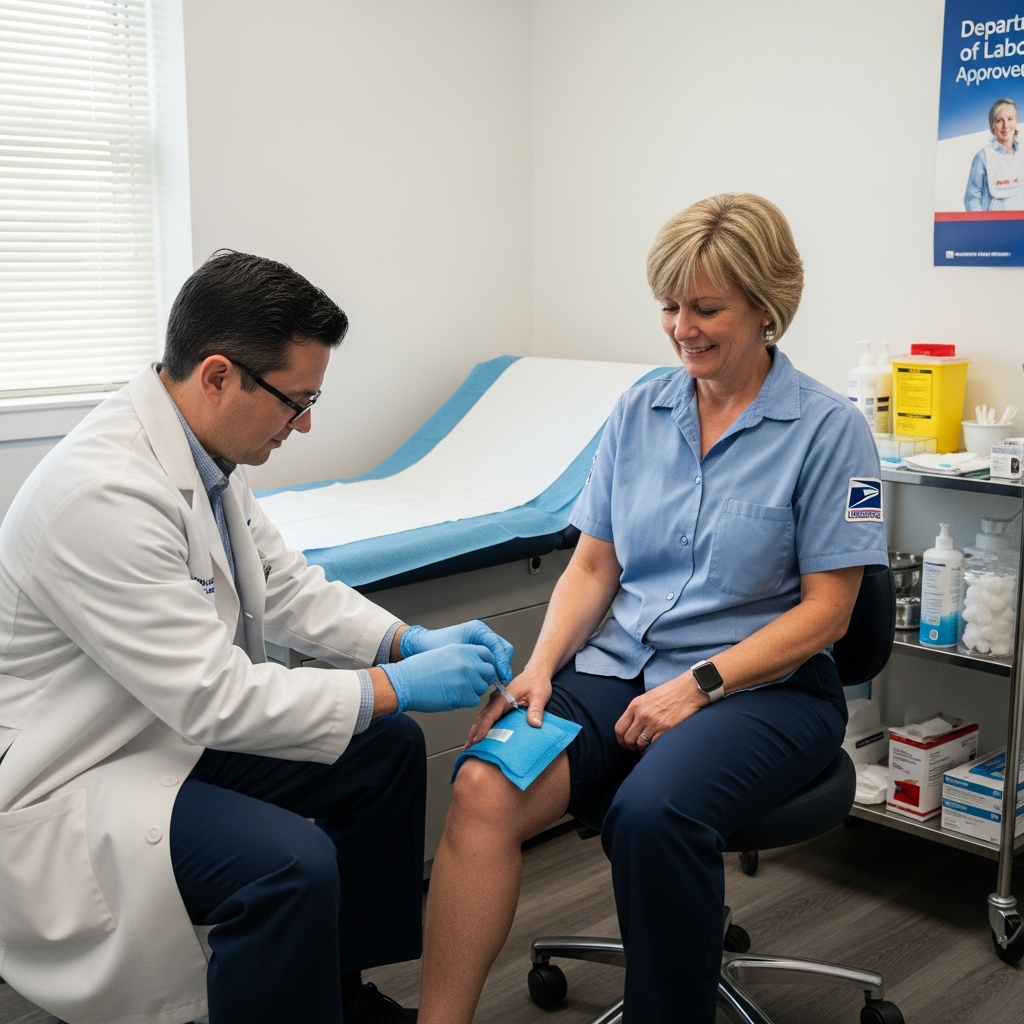
You’re sitting in your supervisor’s office, filling out incident reports after that awkward fall down the courthouse steps last Tuesday. Your knee’s been throbbing for days, and honestly? You’re starting to worry this isn’t just going to “walk off” like you hoped. The workers’ comp paperwork feels overwhelming enough – and now you’re facing the daunting task of finding a doctor who actually understands federal employee injuries and won’t make you feel like you’re trying to scam the system.
If you’re a federal employee in the DC area, you’ve probably heard whispered conversations in break rooms about OWCP doctors. Maybe a colleague mentioned their “OWCP guy” helped them navigate a back injury claim, or perhaps you’ve seen those knowing nods when someone mentions they found a physician who actually gets how the Office of Workers’ Compensation Programs works.
Here’s the thing – and this might surprise you – not every doctor truly understands the unique world of federal workers’ compensation. I know, I know… you’d think a medical degree would cover it all, right? But there’s actually a pretty significant difference between treating a construction worker’s injury under standard workers’ comp and helping a federal employee through the OWCP maze.
Think about it this way: if your car broke down, you probably wouldn’t take it to just any mechanic. You’d want someone who knows your specific make and model, someone who’s worked on similar issues before. The same logic applies when you’re dealing with a work-related injury as a federal employee.
The reality is that federal workers face some pretty unique challenges when it comes to workplace injuries. Maybe you’re dealing with repetitive stress from decades of desk work (hello, carpal tunnel from all those case files). Perhaps you’re in law enforcement and took a hit during an arrest. Or maybe you’re like thousands of other federal employees who’ve discovered that “light duty” doesn’t exist in the same way it does in private sector jobs.
What makes OWCP doctors different isn’t just their medical expertise – though that’s obviously crucial. It’s that they understand the intricate dance between medical treatment, federal regulations, and your need to get back to work without jeopardizing your career or your claim. They know the paperwork, the timelines, the specific language that OWCP wants to see in medical reports.
You see, when you’re injured on the job as a federal employee, you’re not just dealing with healing your body. You’re navigating a system that has its own rules, its own pace, and – let’s be honest – its own frustrations. The last thing you need is a doctor who’s scratching their head over OWCP forms or doesn’t understand why certain documentation is critical for your claim approval.
I’ve watched too many federal employees struggle through this process with well-meaning physicians who simply didn’t have the experience with OWCP cases. The result? Delayed claims, inadequate documentation, and sometimes even denied benefits for legitimate injuries. It’s heartbreaking, really, especially when proper medical guidance could have made all the difference.
That’s where OWCP doctors in Washington DC come into the picture. These are healthcare providers who’ve made it their business to understand not just your injury, but the entire ecosystem surrounding federal workers’ compensation. They speak both languages fluently – medical terminology and bureaucratic requirements.
Whether you’re dealing with a fresh injury that happened last week or managing a chronic condition that’s been affecting your work for months, finding the right medical support can literally change the trajectory of your case. And in a city like Washington DC, where federal employment touches nearly every family, having access to doctors who truly understand your situation isn’t just helpful – it’s essential.
Over the next few minutes, we’re going to explore exactly why so many federal employees are specifically seeking out OWCP doctors, what makes these medical professionals different, and how the right choice might impact everything from your recovery time to your financial security. Because honestly? Your health and your livelihood are too important to leave to chance.
What Exactly Is OWCP Anyway?
Let’s start with the basics – because honestly, government acronyms can feel like alphabet soup sometimes. OWCP stands for the Office of Workers’ Compensation Programs, and it’s essentially the federal government’s version of workers’ comp insurance. Think of it as the safety net that catches federal employees when work-related injuries send them tumbling.
But here’s where it gets interesting (and maybe a little confusing)… Unlike your typical workers’ comp system where you might see any doctor in your insurance network, OWCP has its own special club of approved physicians. It’s kind of like having a VIP list at an exclusive restaurant – not everyone gets in, and once you’re in, you follow house rules.
The Doctor Approval Dance
Now, you might be wondering – why can’t I just see my regular doctor? That’s actually a pretty reasonable question, and the answer lies in how the federal system works. OWCP operates under the Federal Employees’ Compensation Act (FECA), which – stay with me here – is completely separate from regular health insurance.
It’s like having two different currencies. Your regular health insurance is dollars, but OWCP payments are… well, let’s call them “federal tokens.” Regular doctors don’t always know how to handle these tokens, what paperwork to file, or how to navigate the specific requirements that come with federal workers’ comp claims.
Why Location Matters More Than You’d Think
Washington DC isn’t just randomly crawling with OWCP doctors – there’s actually some method to this madness. When you’ve got the highest concentration of federal employees in the country, you naturally develop an ecosystem of medical providers who understand the unique needs of that population.
Think of it like this: if you’re a mechanic and 80% of the cars in your neighborhood are Hondas, you’re probably going to become really, really good at fixing Hondas. You’ll stock Honda parts, know Honda quirks, and develop relationships with Honda dealers. Same principle applies here – DC doctors have had to become fluent in “federal employee” because that’s who walks through their doors every day.
The Paperwork Reality
Here’s something that might surprise you (it certainly surprised me when I first learned about it)… OWCP claims involve a completely different level of documentation than regular medical visits. We’re talking detailed narratives, specific coding requirements, and reports that need to connect your injury directly to your job duties.
Your family doctor – as wonderful as they might be – probably isn’t equipped to write a report explaining how your carpal tunnel syndrome relates to your data entry responsibilities at the Department of Agriculture. But an OWCP-experienced physician? They’ve written hundreds of these reports. They know exactly what language the claims examiners are looking for.
The Acceptance Advantage
This is where things get really practical. When you see an OWCP doctor, there’s a much higher likelihood that your medical treatment will be approved without delays or challenges. It’s not that the system is rigged – it’s more like speaking the native language.
Imagine trying to order dinner in a foreign restaurant where the waiter doesn’t speak English and you don’t speak their language. You might eventually get fed, but there’s going to be a lot of pointing, confusion, and probably some disappointed expectations. OWCP doctors speak fluent “federal workers’ comp,” which means smoother communication with the system that ultimately pays your bills.
The Network Effect
Something else worth understanding – and this is where it gets a bit counterintuitive – is that OWCP doctors often work closely with each other. If you need to see a specialist, your OWCP primary care doctor usually knows exactly which orthopedist, neurologist, or physical therapist also accepts OWCP patients.
It’s like being part of a professional friend group where everyone knows everyone. When your treatment requires multiple providers, this network effect can be incredibly valuable. No more calling around to fifteen different offices only to hear “sorry, we don’t take OWCP.”
The bottom line? While the system might seem unnecessarily complicated from the outside, there’s actually some real logic to why federal employees gravitate toward OWCP doctors. It’s not just about following rules – it’s about getting care from people who understand your specific situation and can navigate the system effectively on your behalf.
Finding the Right OWCP Doctor for Your Specific Injury
Here’s something most federal employees don’t realize – not every OWCP doctor handles every type of injury well. You wouldn’t see a cardiologist for a broken ankle, right? The same logic applies here, but the Office of Workers’ Compensation doesn’t exactly hand you a specialty guide.
Start by identifying what type of specialist you actually need. Back injuries? Look for orthopedic surgeons or physiatrists who specifically mention spinal conditions. Carpal tunnel or repetitive stress injuries? You’ll want someone who focuses on occupational medicine or hand specialists. Mental health claims – and yes, these are valid OWCP claims – require psychiatrists or psychologists who understand federal workplace stress.
Pro tip: Call the doctor’s office directly and ask how many OWCP cases they handle monthly. If the receptionist seems confused by the question… that’s your answer. You want someone who processes these claims regularly, not someone who treats federal employees as a rare occurrence.
The Appointment Scheduling Game (And How to Win It)
Getting that first appointment can feel like trying to catch a unicorn. Popular OWCP doctors in DC often have waiting lists stretching weeks or even months. But here’s what savvy federal employees do…
Call first thing Monday morning – seriously, set an alarm for 8 AM. Many offices release new appointment slots at the start of each week. Also, ask to be put on their cancellation list. People reschedule all the time, especially for non-urgent follow-ups.
When you call, don’t just say “I need an appointment.” Be specific: “I’m a federal employee with an accepted OWCP claim for a lower back injury, and I need an initial consultation.” This immediately tells them you’re not dealing with insurance hassles or payment delays.
And here’s something nobody tells you – if you’re willing to see a physician’s assistant or nurse practitioner in the same practice, you’ll often get in much faster. These providers can handle many OWCP requirements just as well as the main doctor.
Preparing for Your Visit Like a Pro
Before you walk through that office door, gather everything. I mean *everything*. Your CA-7 form, any medical records from your initial injury, workplace incident reports, and a detailed timeline of how your symptoms have progressed.
But here’s the secret sauce – write down your symptoms in OWCP language. Don’t just say “my back hurts.” Describe how the injury limits your federal job duties specifically. Can you sit at your desk for full days? Are you struggling with lifting requirements? Can you stand for extended periods during meetings?
This isn’t about being dramatic – it’s about giving the doctor the exact information they need to write reports that OWCP will accept. Remember, these doctors know the system. They understand that vague descriptions lead to claim delays or denials.
Understanding the Real Costs (Beyond Money)
Yes, OWCP covers your medical expenses with approved doctors. But there are hidden costs nobody mentions upfront. Time off work for appointments (though you can use sick leave for OWCP medical visits), potential travel across the DC metro area, and the mental energy of navigating a complex system.
Some federal employees try to schedule everything during lunch breaks or after work. Don’t do this to yourself. Most OWCP appointments run longer than regular doctor visits because of the detailed documentation requirements. Block out adequate time, and don’t feel guilty about using your entitlements.
Building a Long-term Relationship
Here’s what makes DC’s OWCP doctor network different – many of these physicians work with the same federal employees for months or even years. Your relationship with this doctor could significantly impact your career and quality of life.
After your first appointment, send a brief thank-you email. Mention specific things the doctor did well – maybe they explained your treatment options clearly or took extra time with your examination. This isn’t brown-nosing; it’s building rapport with someone who holds considerable influence over your claim.
Also, be the patient they want to see. Show up on time (actually, show up 15 minutes early), bring all requested documents, and follow through on treatment recommendations. OWCP doctors deal with plenty of difficult cases – being the cooperative, prepared patient makes you memorable for all the right reasons.
One last thing… keep detailed records of every interaction. Date, time, what was discussed, any new symptoms mentioned. If your case ever becomes complicated, this documentation becomes invaluable.
The Paperwork Mountain (And How to Climb It)
Let’s be honest – the OWCP system wasn’t designed by people who’ve ever actually needed to use it. You’ve got forms that reference other forms, deadlines that seem to shift like quicksand, and medical records that need to be in triplicate… sometimes.
The CA-1 and CA-2 forms are just the beginning. Then there’s the CA-7 for time and attendance, CA-16 for medical authorizations – and heaven help you if you mix up which doctor needs what form signed when. It’s like playing bureaucratic Jenga, except the stakes are your health and livelihood.
Your best defense? Create a simple tracking system. I’m talking about a basic spreadsheet or even a notebook where you write down every form submitted, every deadline, every phone call made. Date everything. Keep copies of everything – and I mean *everything*. That seemingly unimportant email from six months ago? It might be the golden ticket that saves you later.
Also, don’t go it alone. Many federal employees have a colleague who’s been through this maze before. Buy them coffee and pick their brain. The informal network often knows more than the official channels.
When Your Regular Doctor Says “I Don’t Do Workers’ Comp”
Here’s a gut punch that catches people off guard – your family doctor, the one who knows your medical history inside and out, might refuse to treat your work injury. They’ll say it’s too complicated, too much paperwork, or they “don’t participate in federal programs.”
This isn’t personal (even though it feels like abandonment). Many private practice doctors simply can’t afford the time it takes to navigate OWCP requirements. The reimbursement rates aren’t great, and the paperwork? Well, we’ve already covered that nightmare.
The workaround: Start building relationships with OWCP-experienced doctors before you need them. When you’re healthy and just need a routine check-up, ask potential providers if they work with federal workers’ compensation. Some larger medical groups in DC have dedicated departments for this – they understand the system because they work with it daily.
Georgetown University Hospital, George Washington University Hospital, and several other major DC medical centers have physicians who regularly handle OWCP cases. They speak the language fluently.
The Waiting Game (And Why It Feels Endless)
OWCP operates on government time, which is… well, not exactly speedy. Claims can take weeks to process. Prescription approvals might sit on someone’s desk for days. Meanwhile, you’re in pain, missing work, and watching bills pile up.
The worst part? You often can’t get straight answers about timing. “We’re reviewing your case” becomes the standard response, whether it’s been two days or two months.
Reality check: This isn’t going to change anytime soon. The system is understaffed and overloaded. But you can work within it more effectively by being the squeaky wheel – politely. Call regularly for updates. Document every conversation. Ask for reference numbers for every inquiry.
Consider getting a federal employee union representative involved if your case stalls. They know which buttons to push and can often get movement when individual employees can’t.
The Approval-Denial Roller Coaster
One day your treatment is approved, the next day a similar treatment gets denied. The logic seems… flexible. What worked for your colleague might not work for you, even with identical injuries.
This inconsistency stems from different claims examiners having different interpretations of the same rules. It’s frustrating, but it’s the reality of any large bureaucratic system.
Your strategy: Always provide more documentation than you think you need. If the doctor says you need physical therapy, ask them to write a detailed explanation of why. Not just “patient needs PT” but “patient requires 12 weeks of physical therapy to address specific muscle weakness following workplace slip and fall injury, without which full function cannot be restored.”
The more specific and medical-sounding the justification, the harder it is for someone to deny it arbitrarily.
When Geography Works Against You
Living in the DC area means you’ve got options – lots of OWCP doctors, major medical centers, specialists galore. But it also means traffic, parking nightmares, and the general chaos of getting around a major metropolitan area when you’re already dealing with an injury.
Make it work for you: Many OWCP-approved doctors offer telehealth options for follow-ups. Use them. Also, consider scheduling appointments during off-peak hours if your injury allows for some flexibility. A 2 PM appointment might mean the difference between a 20-minute drive and an hour in traffic.
What to Expect During Your First Visit
Walking into your first appointment with an OWCP-approved doctor can feel… well, a bit intimidating. You’re probably wondering if they’ll actually believe your pain is real, or if they’re just going through the motions to get OWCP off their back.
Here’s the thing – most of these doctors have seen hundreds of federal employees with workplace injuries. They get it. They understand the unique stressors of federal work environments, from the ergonomic nightmare of outdated office setups to the physical demands of postal routes or TSA checkpoints.
Your first visit will likely run longer than a typical doctor’s appointment – maybe 45 minutes to an hour. The doctor needs to document everything thoroughly (remember, OWCP loves their paperwork). They’ll ask about your work duties, how the injury happened, what makes it worse, what helps… sometimes it feels like they’re asking the same question three different ways. They are. It’s intentional.
Don’t be surprised if they want X-rays or other imaging right away. OWCP doctors tend to be more aggressive about diagnostic testing than your regular physician might be – they need that documentation to support your claim.
The Reality of Treatment Timelines
I wish I could tell you that you’ll feel dramatically better after a few weeks of treatment. Sometimes that happens. But honestly? Most workplace injuries – especially if you’ve been dealing with them for a while before seeking treatment – take months to improve significantly.
Think about it this way: if your shoulder’s been aching for six months because of repetitive computer work, it’s not going to heal overnight. Your body needs time to unlearn those compensation patterns, build strength, and actually repair tissue damage.
Physical therapy might feel frustratingly slow at first. You might even feel worse after the initial sessions (that’s normal, by the way – your body is essentially being retrained). Most people start noticing real improvement around the 6-8 week mark, assuming they’re consistent with their exercises.
The doctors I’ve talked to usually set expectations around a 3-6 month treatment timeline for most musculoskeletal injuries. Complex cases – think severe back injuries or repetitive stress injuries that have been building for years – might take longer.
Navigating the OWCP Approval Process
Here’s where things can get… interesting. Your doctor will submit treatment plans and requests to OWCP, but approval isn’t automatic. OWCP has their own reviewing physicians who sometimes question recommendations.
Your doctor might suggest an MRI, but OWCP could come back asking why a cheaper option wasn’t tried first. Or they might approve 6 weeks of physical therapy when your doctor recommended 12. It’s not personal – it’s just how the system works.
The key is staying in communication with your doctor’s office. They’ll let you know if OWCP pushes back on anything, and they’re usually pretty good at advocating for their patients. After all, they want to see you get better too.
Your Role in the Process
This isn’t a passive experience where you just show up and get fixed. Your doctor will expect you to be an active participant – doing your home exercises, following activity modifications, keeping track of your symptoms.
Many OWCP doctors provide detailed home exercise programs or work restrictions. Actually following them makes a huge difference in your recovery. I know it’s tempting to push through pain or skip exercises when you’re tired after work, but consistency really does matter here.
Keep a simple symptom diary if you can. Nothing fancy – just noting your pain levels, what activities made things worse or better, how you slept. This information helps your doctor adjust your treatment plan and provides valuable documentation for OWCP.
Building a Long-term Relationship
Here’s something people don’t always realize: your relationship with your OWCP doctor might extend beyond your initial injury. If you have a chronic condition or if new issues develop related to your work environment, having an established relationship with an OWCP-approved physician can be incredibly valuable.
Many of these doctors become genuinely invested in their federal employee patients. They understand the unique challenges of your work environment and can provide ongoing guidance about workplace modifications or preventive care.
The goal isn’t just to get you back to work – it’s to get you back to work safely and sustainably. That might mean adjusting your workstation, modifying your duties, or developing strategies to prevent re-injury. Your OWCP doctor becomes a partner in that process, not just someone who treats you when things go wrong.
You know, when I talk to federal employees who’ve been injured on the job, there’s this moment – usually after they’ve shared their frustration about navigating the whole OWCP process – where they pause and say something like, “I just want to know I’m going to be okay.”
And honestly? That’s exactly what this is all about.
The relationship between federal workers and their OWCP physicians isn’t just another healthcare transaction. It’s… well, it’s more personal than that. These doctors understand the unique pressures you face, the bureaucratic maze you’re trying to navigate while also dealing with pain or recovery. They’ve seen how a work injury can ripple through every part of your life – not just the physical stuff, but the stress about paperwork, the worry about job security, the frustration when you can’t do simple things you used to take for granted.
What I find remarkable about the OWCP-approved physicians here in DC is how they’ve learned to speak both languages fluently – the medical language of healing and the administrative language of federal workers’ compensation. They know that sometimes the most important thing they can do isn’t just treat your injury, but help you understand what comes next. Will this affect your career? How long before you can return to full duty? What if you need ongoing treatment?
These aren’t just medical questions – they’re life questions. And having a doctor who gets that? It makes all the difference.
The federal employees I’ve worked with often tell me they feel like they’re in good hands for the first time since their injury. Not just medically (though that’s crucial), but… comprehensively. Like someone finally understands the whole picture of what they’re dealing with.
There’s something comforting about knowing your doctor has helped dozens of other federal workers through similar situations. They’ve seen the patterns, they know the system, and – perhaps most importantly – they’ve watched people heal and get back to their lives. That experience becomes hope for you.
But here’s the thing – and I can’t stress this enough – you don’t have to figure this out alone. If you’re dealing with a work-related injury and feeling overwhelmed by the OWCP process, or if you’re not getting the specialized care you need… that’s not something you just have to endure.
We work with federal employees every day, and we understand exactly what you’re going through. The paperwork headaches, the uncertainty, the worry about whether you’re making the right medical decisions – we’ve been there with hundreds of people just like you.
You deserve to have advocates in your corner. You deserve medical care that actually understands your unique situation as a federal worker. And you definitely deserve to feel confident about your recovery and your future.
If any of this resonates with you – if you’re tired of feeling like you’re navigating this alone – why not give us a call? We’d love to talk through your situation and see how we might be able to help. No pressure, no sales pitch… just a conversation between people who understand what you’re dealing with.
Because you shouldn’t have to choose between good medical care and proper OWCP compliance. You can have both.